
The other day, I was listening to a future educator talk about what issues she sees in education and where they are going. One topic she hit on was how students gauge the emotional temperature of the classroom. Interesting thought, I told her, and then she gave me examples of her past teachers and how those classrooms felt.
So, I got to thinking more about this…
Education isn’t just about textbooks and lectures, and contrary to popular belief, it should be more than test scores, but that is where we live with education at the moment. At some point, we have gotten away from the idea that educating the whole child is not the best for students.

But I digress…
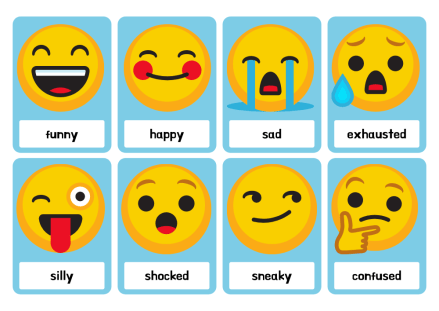
The classroom… Education should be about creating a positive and inclusive learning environment centered around all students; this can be gauged by its “emotional temperature.” This thermometer reflects the climate in a classroom and plays a pivotal role in determining students’ success.
A positive emotional temperature in a classroom fosters engagement and motivation. Allowing students to feel safe where they enjoy the environment, where they are supported and valued, they are more likely to actively participate in their learning. Oh, but how this sometimes does not happen, and as educators, we miss the opportunity…
Too often, we see students only in school to fulfill the attendance requirements. Many students are genuinely interested in the subject matter, and this enthusiasm fuels their success. So, why do so many students enter a cold emotional climate? This cold climate is usually characterized by fear, anxiety, or indifference; all which can stifle students’ curiosity and willingness to learn. Considering this, why would we not want to offer an inviting atmosphere?
A warm emotional temperature also promotes well-being; just like getting out in the sun helps your immune system. Students who feel emotionally secure in the classroom are more likely to manage stress effectively, build resilience, and maintain their mental health.
Now, what about the teachers? Emotional temperature directly affects student-teacher relationships. Teachers who are approachable, and supportive often inspire trust and admiration among their students. These strong bonds encourage open communication, making it easier for students to seek help when they’re struggling, leading to more substantial progress in their academic journey and through all of this, standards can still be kept high.
Educational environments must collectively strive to maintain a warm emotional temperature in the classroom and with teachers to ensure that every student has the opportunity to thrive academically and emotionally.
Go be a great educator and leader today… Our future needs it…
Remember… Think Leadership and Be For Others…
©2023 J Clay Norton
Want more Leadership Thoughts? Follow me on… Twitter @thebookchamber or follow the blog directly.
Want to share this leadership thought with others? Click on one of the social media sharing buttons below and help spread the good…


 The Book Chamber