• Home
  • About
  • Contact

The Book Chamber

~ J Clay Norton, Ed.D.

The Book Chamber

Category Archives: Context

What an “A” Should Make Us Rethink – What Clinton’s schools can teach us about achievement, community, and our own assumptions…

30 Friday Oct 2026

Posted by The Book Chamber in Accountability, Achieve, Classroom Leadership, Commitment, Consistency, Context, Conviction, Core Values, Culture, Decisions, Education, Educational Leadership, Effective, Encouragement, Engagement, Expectations, Focus, Foundation, Importance, Influence, Leader, Leadership, Perception, Perseverance, Public Schools, Purpose, Resilience, Respect, Responsibility, Sacrifice, Teacher Appreciation, Teachers, Value

≈ Leave a comment

Tags

Education, Educational Leadership, Leader, Leadership, Learning, Respect, school, Teachers

I have spent more than 30 years in education, and I know what it means to the people in a school district when their work receives recognition. Teachers spend their days helping students understand something they could not understand yesterday. Administrators work to support their teachers and make decisions that serve their schools. Families want to know their children are learning and being given opportunities to succeed. When a district earns an A, those people have good reason to be proud.

My interest in Clinton is personal. I spent my last 18 years in public education in the Clinton Public School District, so I bring that experience to my reading of these results.

Every year when Mississippi’s accountability results are released, I spend time taking a deep dive into them. I enjoy looking at the particulars and sorting the results by the different criteria in the accountability model. That closer look helps me understand how districts arrive at their grades and what stands out in their performance. This year, Clinton’s results again gave me good reason to pay attention.

The report lists 31 A-rated entries, including Forrest County Agricultural High School, which serves only grades 9–12. For the comparisons in this article, I have excluded Forrest County Agricultural High School because its results represent a narrower range of grade levels. The comparisons therefore include the 30 remaining A-rated school districts.

I also recognize that comparing districts is not always an apples-to-apples exercise. The same letter grade does not mean districts serve identical populations, have equivalent resources, or face the same responsibilities. Mississippi’s accountability system considers proficiency, student growth, graduation, and other measures of readiness, so I look beyond the A to understand the results behind it.

Clinton’s record of achievement reaches further back than the last five accountability releases. The district earned recognition under earlier systems that used classifications such as High Performing and Star District, and its strong record continued as Mississippi moved to letter grades. Although the assessments, calculations, and standards for earning those ratings have changed, Clinton has demonstrated sustained achievement across those changes.

What catches my attention about Clinton is the combination of its sustained achievement and the work taking place across its schools. The district finished second statewide this year and has placed among Mississippi’s top five districts in every accountability release from 2022 through 2026. I believe that record deserves to carry more weight than assumptions people may hold about the district or the community it serves.

Clinton’s teachers, school leaders, students, and families have earned credit for sustaining that achievement year after year. Its mathematics and elementary results give me specific reasons to look more closely at the instruction students receive. I believe there is value in understanding how that work connects across classrooms, grade levels, and schools.

Among those 30 districts, Clinton had the highest mathematics proficiency at 80.1% and the highest mathematics growth at 85.5%. As someone who began his career teaching mathematics, I am fascinated by the pedagogy behind those results. I believe others need to understand how teachers build students’ knowledge, how instruction connects from one grade to the next, and how school leaders support that work.

Clinton’s elementary schools provide a good place to begin looking. In the 2026 assessment results, Eastside’s fourth-grade English language arts and fifth-grade mathematics results ranked first statewide. Those accomplishments give me something specific to consider when examining the quality of instruction in the district’s elementary classrooms.

Community income is also part of understanding the circumstances in which schools operate. My comparison of the Census Bureau’s latest five-year household income estimates, released in 2026 and covering 2020 through 2024, places Clinton toward the upper end of the A-rated districts examined. Those estimates include households without children attending public schools and do not describe every student’s circumstances. I believe that context belongs alongside a closer examination of the instruction, expectations, and support students receive.

An A rating makes Clinton an appealing place for families considering a move to the area or a change in schools. Those conversations often focus on the district’s results without giving much attention to the responsibility of serving students who arrive at different points in their education. Clinton’s teachers serve students who have been in the district since their earliest school years alongside students who began their education elsewhere. Building on the foundation of one group while understanding and responding to the preparation of another requires work that deserves recognition.

That responsibility is part of why I have often wondered about a student who did not begin in Clinton’s pre-K program. By what grade would that student need to enter Clinton’s schools to develop the foundation reflected in these results? I think of that as becoming “Clintonized,” or coming to understand the Clinton way of learning and the expectations that go with it. I am interested in how students come to understand what their teachers expect, how they approach their schoolwork, and how the instruction they receive in one grade prepares them for the next.

How does the experience of a student who enters in third grade compare with that of a student who has attended Clinton’s schools since pre-K? What about a student who arrives in middle school with a different educational background or gaps in what that student has been taught? Students bring knowledge, abilities, and experiences of their own, and the school they previously attended does not tell the whole story of their preparation. I believe there is value in understanding how Clinton’s teachers identify what those students know, provide the support they need, and help them work toward the expectations established for their classmates.

Following students over time would make a fascinating longitudinal study, particularly if it considered their achievement when they entered, the support they received, and their progress during their years in Clinton. The district’s overall results cannot tell me how students who transfer into Clinton perform as a group or how long they need to develop that foundation. Examining those experiences could help identify the instructional practices and support that help students succeed, regardless of when they enter the district.

Those questions come from an appreciation for what Clinton is accomplishing. There is value in understanding how teachers work together, how they respond when students struggle, and how expectations are communicated across classrooms and schools. There may be something in that work that another teacher or district could use to help its own students.

Clinton’s results also give me a reason to examine how assumptions influence conversations about schools. Sometimes what people think they know about a district shapes expectations before its results receive any consideration. I believe students and educators deserve to have their work considered before public perception shapes conclusions about their schools.

The reality is that schools serve the children who live in their communities. Each morning, those children get off the bus or are dropped off in the car rider line, walk through the school doors, and enter classrooms where teachers are teaching and students are learning. They bring their experiences, their abilities, and the things they need help understanding. Their teachers get to work helping them take the next step.

A final grade cannot show every explanation a teacher tries, every adjustment made to a lesson, or every conversation that helps a student keep working. The results do give me a reason to appreciate what students and educators are accomplishing together. Clinton’s students are demonstrating what they know and making academic progress, and I believe those accomplishments deserve to shape how people talk about the district and our community.

After more than three decades in education, I remain interested in understanding how schools help a student grasp something that once seemed out of reach. Clinton’s schools give me a reason to take that work seriously and learn from the people doing it. Their consistent achievement deserves attention and appreciation.

Clinton has earned its recognition. I hope readers will take the time to understand the work behind it and allow those accomplishments to inform what they believe about its schools. I also want to thank the teachers, school leaders, students, families, and the Clinton community as a whole for their part in making that achievement possible. This success belongs to the people whose work and support sustain our schools, and it gives our community something to celebrate together.

As you step into your role today, remember that you are not just an educator and leader but a shaper of the future. Your actions and decisions profoundly impact the lives of those you guide. Go, be the great educator and leader that our future needs.

Remember… Think Leadership and Be For Others…

©2026 J Clay Norton

Want more Leadership Thoughts? Follow me on… X @thebookchamber or on FaceBook at J Clay Norton or follow the blog directly.

 

Share this:

  • Tweet
  • Email a link to a friend (Opens in new window) Email
  • More
  • Print (Opens in new window) Print
  • Share on Tumblr
Like Loading...

Some Leaders Need the Drama

04 Friday Sep 2026

Posted by The Book Chamber in Actions, Context, Conversations, Culture, Drama, Education, Educational Leadership, Effective, Insecurity, Leader, Leadership

≈ Leave a comment

Tags

business, Education, Educational Leadership, Leader, Leadership, Respect, school, Teachers, teaching

I had a friend the other day who asked me a “hypothetical” leadership question. Well, I told them there really are no hypothetical questions when they are posed like that, so I asked them to just tell me the situation. They laughed, said, “You’re right,” and went on to explain what was happening. Somewhere in the middle of that conversation, I had my idea for the blog this week.

The details of the situation are not important, and honestly, the situation itself was not all that unusual and was trivial at best. Anyone who has spent much time in education has seen some version of it. There was conflict, there were different personalities involved, there were conversations taking place about other conversations, and there was enough back-and-forth to keep the situation alive much longer than it probably needed to be. Listening to the story, I thought that if I were the one having to deal with all of this, I would just as soon bang my head against the wall and give myself a headache on purpose.

What caught my attention, though, was not really the situation itself, but the drama it created. It was almost like watching a snowball roll downhill. Something that probably should have been relatively small just kept getting bigger as more people, more conversations, and more emotion became attached to it. By the time my friend finished telling me the story, my thoughts had moved beyond the original situation altogether and landed on something much more interesting: the role leadership can sometimes play in keeping drama going.

Man pours liquid onto an office fire while holding a fire extinguisher

That led me to a question that may push the envelope a little: Do some leaders actually like drama?

I think some do, and I also think that, many times, it comes from insecurity.

There is something about drama that can make an insecure leader feel important. When everyone is coming to you with the latest information, you feel like you are in the know. When people bring their disagreements to you instead of working them out themselves, you feel needed. When you know who said what, who is upset with whom, and who is supposedly on which side, it can create a false sense of influence. Before long, the leader can begin to confuse being involved in everything with actually leading something, and that is where it becomes dangerous.

Secure leaders do not have to know everything that is being said in the building, nor do they need to be included in every disagreement. They do not need people choosing sides to determine who supports them, and they certainly do not need to keep a conflict alive simply because it gives them a place in the middle of it. In fact, good leadership should move an organization in the opposite direction. We should be developing people who can talk to one another, work through disagreements, address concerns directly, and move forward without every issue eventually finding its way into the leader’s office.

None of that means a leader should avoid conflict. There are times when leadership requires us to step directly into difficult situations, make hard decisions, and have conversations that nobody particularly wants to have. However, there is a tremendous difference between addressing conflict and feeding it, and I would argue that one of the better tests of our own security as leaders is what happens when everything is going well. Can we allow people to work, succeed, solve problems, and even receive recognition without needing to insert ourselves into the middle of it?

If we are always surrounded by drama, eventually we may need to stop asking why everyone else creates so much of it and consider a much more uncomfortable possibility.

Maybe we like it there.

Want to read a good leadership book on this? Here it is: Upgrade Your Leadership: 8 Foundational Tools to Overcome Drama, Build Trust, and Thrive Under Pressure

As you step into your role today, remember that you are not just an educator and leader but a shaper of the future. Your actions and decisions profoundly impact the lives of those you guide. Go, be the great educator and leader that our future needs.

Remember… Think Leadership and Be For Others…

©2026 J Clay Norton

Want more Leadership Thoughts? Follow me on… X @thebookchamber or follow the blog directly.

Share this:

  • Tweet
  • Email a link to a friend (Opens in new window) Email
  • More
  • Print (Opens in new window) Print
  • Share on Tumblr
Like Loading...

Yes, Public Schools Should Be Able To Advocate For Themselves…

17 Friday Jan 2025

Posted by The Book Chamber in Accountability, Actions, Advocate, Agenda, Choice, Communication, Context, Conversations, Courage, Decisions, Education, Educational Leadership, Effective, Expertise, Knowledge, Leader, Leadership, Legislators, Public Schools, Reality, School Choice, Teachers

≈ 1 Comment

Tags

advocacy, Advocate, Education, Educational Leadership, Leader, Leadership, Learning, Legislature, news, Public Schools, school, schools, Teachers, teaching

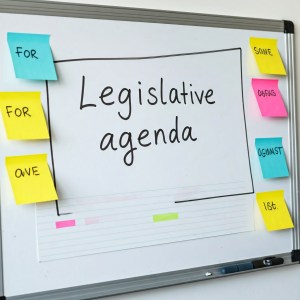
The 2025 Mississippi Legislative is happening, and educational issues are always on the table.

Let’s go back a week or so and look at a school district in Mississippi that distributed a flyer outlining their stance on various legislative matters, sparking a wave of online discussion. While they received some negative comments, there was also online support, proving their voice was heard.

What was on the flyer, you ask? In summary, they were for… Teacher pay raise, revision of the Mississippi Student Funding Formula, and increased emphasis on Career and Technical Education. As a district, they were against… Open enrollment/school choice, educational vouchers for private school tuition, and any decrease in retirement benefits of PERS employees.

As a public school educator, I agree with everything they stated. I’m not writing to debate their points with anyone. However, for what general reason do I agree? While public schools have many advocates, and I’m thankful for every one of them, who better to be an advocate than themselves? Which is what I would like to discuss…

Public schools are not just educational institutions; many are the cornerstones of our communities. They shape the educational experiences of our children, who form the future of our society. While other educational options exist, public schools play a unique and vital role. It’s crucial for them to engage in advocacy to ensure that proposed legislation aligns with the needs and aspirations of the students, educators, and families they serve.

Public schools are uniquely knowledgeable in providing valuable insights into the practical implications of proposed policies by articulating their positions on legislative matters, for they are the ones who know what public school education is and is about. The need for public schools to be part of the proactive engagement of self-advocacy should hopefully help legislators make informed decisions that support effective educational practices and promote student success in our public schools. It would seem that legislators would want to give an ear to those who know education.

School leaders who freely open lines of communication with their thoughts on legislative priorities foster transparency and encourage community involvement. That’s why many communities’ strength lies in the fact that they have a strong public school presence. Self-advocacy not only empowers stakeholders, parents, teachers, and community members to participate actively in the democratic process but also ensures that the community’s collective voice is heard in policy discussions, which should make them an integral part of the process. But, as we all know, you have to be willing to listen. Hearing is one thing; listening is altogether another.

It is also worth noting that many elected state officials have outlined their own legislative priorities for the upcoming session. Is there any difference when our elected officials have their own priorities and agendas? Some are valid and good, while some, I do not believe, represent the best for the overall good of public school education and the teachers. In this context, it is pertinent and reasonable for public schools to advocate for their positions on these and other legislative matters that directly impact their operations and the well-being of the public school institution.

But I need to digress. You might be tired of reading, so I’ll close with this…  

“Courage favors the bold,” and it is not only acceptable but also essential for public schools to advocate for themselves in legislative matters. Such advocacy helps pave the way for what should ensure that educational policies are shaped by those who are most intimately involved in the day-to-day realities of teaching and learning, ultimately leading to a more responsive and effective education system. As I have often stated, when we have non-educators making educational decisions and not listening to those who actually know education, education becomes the victim of __________ (you can fill in the blank).

This action underscores the importance of public schools advocating for themselves within the legislative process. It’s a call to action and to advocate, a reminder of the power and influence public schools have in shaping their future. I’m glad this school district took an educational stand and would hope more districts will also. 

If you are interested in other blog posts relating to educational advocacy, click the links…

Are You, As A Teacher, An Advocate For Our Profession?

If Teachers Are Not An Advocate For Teaching, Then Who Will?

As you step into your role today, remember that you are not just an educator and leader but a shaper of the future. Your actions and decisions profoundly impact the lives of those you guide. Go, be the great educator and leader that our future needs.

Remember… Think Leadership and Be For Others…

©2025 J Clay Norton

Want more Leadership Thoughts? Follow me on… X @thebookchamber or follow the blog directly.

Share this:

  • Tweet
  • Email a link to a friend (Opens in new window) Email
  • More
  • Print (Opens in new window) Print
  • Share on Tumblr
Like Loading...

A Leadership of Convenience is Inconvenient for Everyone

18 Friday Oct 2024

Posted by The Book Chamber in Actions, Character, Consistency, Context, Effective, Facade, Honest, Importance, Integrity, Leader, Leadership, Sacrifice, Servant, Trust, Truth, Value, Vision

≈ Leave a comment

Tags

business, coaching, Education, Educational Leadership, Leader, Leadership, Learning, management, personal-development, Respect, school, Teachers, teaching

Every morning, driving to school, I listen to the Wall Street Journal Report. I like being aware of what is going on in the world… Often, they have a report from MarketWatch, and yesterday’s report caught my attention. The piece is titled, Here’s why more Americans than ever now shop at Amazon (please note, this is not an endorsement of Amazon, but I do love Amazon). In the article, this statement was made, “Analysts and others note that Amazon’s success when it comes to selling household goods is rooted in three key factors: selection, pricing, and speed of delivery.”

As you have often heard me say, “It got me to thinking.” However, I’m going to encompass all three of the above factors with the thought of convenience. All in all, Amazon has a wide selection range, their prices are competitive, and the delivery speed is usually two days or less with Prime membership. As consumers, we place a significant amount of trust in the companies we buy from. This trust is not just about the products we purchase but also about the convenience these companies offer as a byproduct of that trust. The importance of trust in consumer relationships is a key element that parallels the role of trust in effective leadership. No one cares for the convenience of a product if trust is not gained or there to begin with.

1520088403306

However, when it comes to leadership…

Leadership is a demanding responsibility that requires consistency, commitment, and a clear vision. I would think everyone can agree on that. Leadership of convenience, where decisions are made based on ease, comfort, short-term gain, or not knowing background or context, often misses the mark for true, lasting effectiveness. At its core, this approach prioritizes what is expedient over what is right, creating a leadership style that is reactionary, inconsistent, and unsustainable. The role of trust in leadership is paramount, as leaders who choose convenience over principle may win momentary victories but fail to build the trust, respect, and long-term success that real leadership requires.

Leadership should not be about self-interest or personal comfort, but often, we see it established in weak leadership. It’s about serving others and doing what is right by them, even when it’s tough, costly, or unpopular. Effective leadership demands sacrifice, putting the needs of others first, even when it’s inconvenient. The need for sacrifice in effective leadership is a key aspect that leaders must understand, as by only engaging when it’s comfortable, leaders signal that they are not invested in long-term success. This weight of leadership responsibility should be felt by every leader.

Leaders driven by convenience often lack vision and fail to inspire. When choices are made based on what is easy or comfortable rather than what aligns with core values or long-term goals, followers become disengaged and confused. 

True leadership embraces responsibility over comfort every day that ends in “y.” It requires courage to stand firm in one’s values and convictions, even when inconvenient. Leadership prioritizing conviction over convenience creates real change built on a foundation of integrity and is foundational to leadership. Without it, credibility crumbles like the façade a leader has created.

And with all of this, the speed of trust at which you can make true leadership happen as a leader speaks volumes about your leadership style and the characteristics you base your leadership on. Just don’t make it one of convenience. 

Go be a great educator and leader today… Our future needs it…

Remember… Think Leadership and Be For Others…

©2024 J Clay Norton

Want more Leadership Thoughts? Follow me on… X @thebookchamber or follow the blog directly.

Want to share this leadership thought with others? Click on one of the social media sharing buttons below and help spread the good…

Share this:

  • Tweet
  • Email a link to a friend (Opens in new window) Email
  • More
  • Print (Opens in new window) Print
  • Share on Tumblr
Like Loading...
← Older posts
Follow The Book Chamber on WordPress.com

Enter your email address to follow this blog and receive notifications of new posts by email.

Follow me on Twitter

My Tweets

Archives

  • October 2026 (3)
  • September 2026 (2)
  • August 2026 (2)
  • May 2026 (2)
  • April 2026 (2)
  • March 2026 (1)
  • February 2026 (2)
  • January 2026 (2)
  • December 2025 (2)
  • November 2025 (2)
  • October 2025 (3)
  • September 2025 (2)
  • August 2025 (1)
  • June 2025 (1)
  • May 2025 (4)
  • April 2025 (4)
  • March 2025 (2)
  • February 2025 (4)
  • January 2025 (4)
  • December 2024 (4)
  • November 2024 (4)
  • October 2024 (2)
  • September 2024 (4)
  • August 2024 (4)
  • May 2024 (2)
  • April 2024 (4)
  • March 2024 (3)
  • February 2024 (4)
  • January 2024 (3)
  • December 2023 (4)
  • November 2023 (3)
  • October 2023 (3)
  • September 2023 (4)
  • August 2023 (4)
  • July 2023 (1)
  • May 2023 (3)
  • April 2023 (4)
  • March 2023 (4)
  • February 2023 (4)
  • January 2023 (3)
  • December 2022 (4)
  • November 2022 (3)
  • October 2022 (4)
  • September 2022 (5)
  • August 2022 (3)
  • May 2022 (4)
  • April 2022 (5)
  • March 2022 (3)
  • February 2022 (4)
  • January 2022 (4)
  • December 2021 (3)
  • November 2021 (3)
  • October 2021 (5)
  • September 2021 (4)
  • August 2021 (3)
  • May 2021 (3)
  • April 2021 (5)
  • March 2021 (3)
  • February 2021 (3)
  • January 2021 (4)
  • December 2020 (3)
  • November 2020 (3)
  • October 2020 (5)
  • September 2020 (4)
  • August 2020 (2)
  • June 2020 (1)
  • May 2020 (3)
  • April 2020 (4)
  • March 2020 (1)
  • February 2020 (4)
  • January 2020 (4)
  • December 2019 (3)
  • November 2019 (4)
  • October 2019 (4)
  • September 2019 (4)
  • August 2019 (3)
  • July 2019 (1)
  • June 2019 (1)
  • May 2019 (3)
  • April 2019 (4)
  • March 2019 (4)
  • February 2019 (4)
  • January 2019 (3)
  • December 2018 (3)
  • November 2018 (4)
  • October 2018 (4)
  • September 2018 (4)
  • August 2018 (4)
  • July 2018 (1)
  • June 2018 (1)
  • May 2018 (4)
  • April 2018 (4)
  • March 2018 (4)
  • February 2018 (4)
  • January 2018 (3)
  • December 2017 (4)
  • November 2017 (3)
  • October 2017 (4)
  • September 2017 (5)
  • August 2017 (3)
  • July 2017 (1)
  • June 2017 (4)
  • May 2017 (19)
  • April 2017 (9)

Categories

  • A Christmas Story
  • Accountability
  • Achieve
  • Achievement Gap
  • ACME Math Guys
  • Acquaintance
  • Actions
  • Adaptability
  • Advantage
  • Adventure
  • Adversity
  • Advice
  • Advocate
  • Affection
  • Agenda
  • Align
  • Amazing
  • Amnesia
  • Anchored
  • Andy Griffith
  • Annoying
  • Appreciation
  • Assist
  • Attention
  • Attitude
  • Audience Face
  • Authentic
  • Balance
  • Banning Books
  • Bitterness
  • Boundaries
  • Brand
  • Camaraderie
  • Captive
  • Change
  • Character
  • Charlie Brown
  • Choice
  • Christian Worldview
  • Christmas
  • Christmas Vacation
  • Circumstances
  • Clarity
  • Classroom Leadership
  • Classroom Management
  • Clear
  • Comfort Zone
  • Commitment
  • Communication
  • Company
  • Compassion
  • Complacency
  • confidence
  • Conflict
  • Connections
  • Conscience
  • Consistency
  • Contentment
  • Context
  • Conversations
  • Conviction
  • Core Values
  • coronavirus
  • Counseling
  • Courage
  • COVID-19
  • covid19
  • Craft
  • Crisis
  • Culture
  • Decay
  • Deciding
  • Decisions
  • Decline
  • Description
  • Desire
  • Detox
  • Dignity
  • Diplomacy
  • Disaster
  • Distance
  • Distance Learning
  • Distractions
  • Dr. Seuss
  • Drama
  • Drift
  • Easter
  • Echo Chamber
  • Education
  • Educational Leadership
  • Effective
  • Embrace
  • Emotion
  • Emotional Temperature
  • Empathy
  • Empower
  • Encouragement
  • Engagement
  • Entertainment
  • Essence
  • Exercise
  • Expectations
  • Experience
  • Expertise
  • Expiration dates
  • Facade
  • Fair and Equitable Education
  • Family
  • Feedback
  • Focus
  • Foundation
  • Freedom
  • Friendship
  • Funding
  • Future
  • Gift
  • Giving
  • God
  • Grace
  • Grading
  • Gratitude
  • Gravitas
  • Grit
  • Growth
  • Heart
  • Heroes
  • History
  • Honest
  • Hope
  • Hope Stealer
  • Humility
  • Idealist
  • Ideals
  • Idioms
  • Illusions
  • Image
  • Importance
  • Influence
  • Insecurity
  • Inspiration
  • Integrity
  • Intensity
  • Intentional
  • Intentions
  • Intolerance
  • Issues
  • It's a Wonderful Life
  • Jesus
  • Joy
  • Kindness
  • Know Your Why
  • Knowledge
  • Leader
  • Leadership
  • Learning
  • Legacy
  • Legislators
  • Lesson Plans
  • Light
  • Listening
  • Looney Tunes
  • Love
  • Loyalty
  • Mandates
  • Manipulation
  • Mask
  • Math
  • Maturity
  • Meetings
  • Memories
  • Mercy
  • Message
  • Misery
  • Mission
  • Mixed Signals
  • Momentum
  • Motivation
  • Narcissism
  • NERDLE
  • New School Year
  • Obedience
  • Observation
  • Opinions
  • Opportunity
  • Passion
  • Passive-Agressive
  • Patience
  • Peculiar
  • Perception
  • Perceptions
  • Perseverance
  • Perspective
  • Pet Peeves
  • Pitfalls
  • Power
  • Preferences
  • Preparation
  • Presence
  • Present
  • Pressure
  • Pride
  • Professionalism
  • Promotion
  • Public Schools
  • Purpose
  • Reading
  • Reality
  • Reflection
  • Relationships
  • Remember
  • Resilience
  • Respect
  • Responsibility
  • Rest
  • Sacrifice
  • School Choice
  • school consolidation
  • School Supplies
  • Sensitive
  • Servant
  • Shadows
  • Sincerity
  • Sinkholes
  • Smile
  • Spring Break
  • Standard
  • Star Wars
  • Students
  • Teacher Appreciation
  • Teacher Shortage
  • Teachers
  • Team
  • Technology
  • Tension
  • Testing
  • Thankful
  • Thanksgiving
  • The Masters
  • Time
  • Tolerance
  • Transactional
  • Transfer Portal
  • Transformational
  • Transitive Power
  • Transparent
  • Tribute
  • Trust
  • Truth
  • Uncategorized
  • Understanding
  • Unity
  • Useful
  • Value
  • Vision
  • Vouchers
  • Whole
  • Wisdom
  • Word
  • WORDLE

Blog Stats

  • 58,966 hits

Blog at WordPress.com.

  • Subscribe Subscribed
    The Book Chamber
    Join 180 other subscribers

    Have a WordPress.com account? Log in now.

  • The Book Chamber
    View site in Reader
    Manage subscriptionsSign upLog in
    Report this content
    Collapse this bar
Loading Comments...
%d