
• Home
  • About
  • Contact

The Book Chamber

~ J Clay Norton, Ed.D.

The Book Chamber

Category Archives: Public Schools

So, let’s change the title and create a task force, HB1431 gets a facelift…

14 Friday Feb 2025

Posted by The Book Chamber in Accountability, Education, Educational Leadership, Leader, Leadership, Legislators, Public Schools, Purpose, School Choice, school consolidation, Teachers, Understanding

≈ Leave a comment

Tags

Education, Educational Leadership, Leader, Leadership, Learning, MSLeg, MSLegislators, news, politics, Public Schools, public-school-support, school, school consolidation, schools, Teachers, teaching

Mississippi’s House Bill 1431 has undergone significant changes in the past week that have raised concerns among supporters of public school education…

Click the links to see the difference…
HB1431 (As Introduced)
HB1431 (As Passed the House) – “Task Force”

Originally, the bill mandated the consolidation of multiple school districts within a county into a single countywide district, aiming to streamline administrative functions and reduce costs. While this is not a bad idea, consolidation has many negative effects. However, the amended version, now newly titled “Education Efficiency Act,” establishes a task force to develop recommendations for such consolidations. On top of that, according to the Parents’ Campaign, the task force comprises approximately 20 members but includes only one designated public school representative. This is not to say that the original HB1431 had some merit, but now, this shift in focus not only waters down the supposed original intent but also leads to a misrepresentation of time and resources on taxpayer’s dollars.

What started as a “mandate” has now become a task force. Let’s just take a step backward… The initial version of HB 1431 sought to directly address administrative inefficiencies by consolidating school districts at the county level (see my blog from a few weeks ago: Educational Leadership Insights: Mississippi HB1431 and the Complexity of Consolidating School Districts). This approach was filled with the promise to reduce redundant administrative costs, allowing more funds to be allocated directly to classroom instruction and student services. But… an interesting quote was made by the House Education Chairman, who stated, “Some districts have to go away.” Did this quote lead to the amending of the bill?

Ok, so a task force is being formed… It will be seen as an imbalanced representation. The composition of the proposed task force is particularly troubling. As stated above, out of approximately 20 members, only one is a designated public school representative, the Mississippi Department of Education Superintendent. This must have been how the colonies felt before the Revolutionary War; little representation – talk about a lack of credibility and effectiveness. Educators, administrators, and other public school stakeholders possess invaluable insights into the daily ongoings of school districts. By excluding their perspectives, any task force risks developing recommendations that are disconnected from on-the-ground realities and will likely lead to ineffective or detrimental policies put in place by non-educators.

Not only does the task force have limited direct educational representation, but it will also be a waste of time and resources; forming a task force has to cost something… The state will incur costs related to meetings, research, and administrative support for the task force. Given the pressing needs within Mississippi’s education system, I can think of many different ways these resources could be better used to support public education.

Once again, true educational leadership requires making informed decisions prioritizing public school students’ well-being and success in Mississippi. By amending the bill and creating a task force model with inadequate representation from public education professionals, Mississippi’s legislators who support this are seen to be putting their own self-interests first and not listening to the people in the trenches every day fighting for public education to be better. What is the real need for HB1431? If it is for administrative efficiency, then change the administrative cap per district. If it is for the sole purpose of consolidation to help underperforming districts, then something else needs to be in the works; there is never a reason to punish school districts who are doing what they are supposed to do.

As you step into your role today, remember that you are not just an educator and leader but a shaper of the future. Your actions and decisions profoundly impact the lives of those you guide. Go, be the great educator and leader that our future needs.

Remember… Think Leadership and Be For Others…

©2025 J Clay Norton

Want more Leadership Thoughts? Follow me on… X @thebookchamber or follow the blog directly.

Share this:

  • Tweet
  • Click to email a link to a friend (Opens in new window) Email
  • More
  • Click to print (Opens in new window) Print
  • Share on Tumblr
Like Loading...

Sometimes, your voice is loud enough, but a motion for a roll call vote goes unheard… HB1433 goes to the floor…

07 Friday Feb 2025

Posted by The Book Chamber in Accountability, Actions, Choice, Clarity, Decisions, Distance, Education, Educational Leadership, Expertise, Fair and Equitable Education, Intentions, Leader, Leadership, Learning, Legislators, Public Schools, Purpose, School Choice, Teachers, Trust, Truth

≈ Leave a comment

Tags

community, Education, Educational Leadership, Leadership, Legislators, MSLeg, news, politics, Respect, school, School Choice, school vouchers, schools, Teachers, teaching

In any democratic process, transparency and accountability are fundamental. When these principles are sidelined, the integrity of governance is at stake. This past Tuesday, a recent incident in the House Education Committee highlights a disturbing trend in educational leadership: the refusal to allow a roll call vote on HB1433, the House bill for school choice/vouchers. Special thanks go to various educational groups who were at the Capital this past Tuesday and were able to report to the public what transpired through their social media. The quotes and summaries are credited to The Parents’ Campaign and Toren Ballard.

The House Education Chair recently acknowledged that legislators had received an overwhelming response from their constituents regarding HB1433, a bill concerning public and private school choice. He stated that representatives had received “millions of phone calls and texts” opposing the bill. Despite this, he urged committee members to vote in favor of it.

What followed was a clear case of leadership disregarding democratic norms. When the bill was put to a voice vote, the nays were audibly in the majority. Yet, the Chairman moved the bill forward to the calendar for a floor vote. When committee members requested a roll call vote to formally acknowledge each legislator’s stance, he refused, simply stating, “We aren’t going to have a roll call vote today. I’m sorry.” My questions are, “Why? What are we afraid of?” There needs to be an answer…

This refusal has significant consequences… By not allowing a roll call vote, the public is denied the opportunity to know how their legislators voted in the committee process. Why would you not want votes acknowledged? Obviously, some legislators wanted their votes made public… This lack of transparency prevents constituents from holding their elected officials accountable. The public has a right to know whether their representatives represent their interests or follow party directives. Some legislators may argue that their votes will be counted on the floor, which is when it really counts. A vote is a vote regardless of whether it is in committee or on the floor.

The role of education committees is to ensure policies that shape the future of our schools are debated and decided upon fairly. If committee leadership disregards established procedures to push forward bills with minimal scrutiny, it sets a dangerous precedent. And this is a rabbit hole worth going down… The legislative process should not be manipulated to silence opposition or fast-track controversial measures.

The implications extend beyond HB1433. Other bills have passed out of committee for this session hurt public schools. What did those votes look like? So, are we at the point where legislators will ignore overwhelming public opposition and silence dissent in committee meetings? What other policies might be passed without proper oversight? This alone is a crucial reason for us to remain engaged, follow along with bills that will affect society and our interests, and demand that legislative bodies operate with integrity.

This incident also underscores the importance of continued civic engagement. Regardless of what side of the debate you are on, your voice matters. As HB1433 moves to the House floor, where votes will be officially recorded, it is imperative to keep advocating for transparency, accountability, and fairness in the legislative process. As I have previously written in other blogs, educators know more about education than legislators do.

The “need” to silence roll call votes is more than a procedural issue. It is a deliberate act of disrespect to the democracy for which we have representatives. If legislators cannot be held accountable for their votes, then the very foundation of democratic governance is at risk. It is time for educational leaders and the public to demand better from those who say they represent our educational interests.

But I will close with this… Thank you to the House members who voted no on HB1435 yesterday. We know who you are and greatly appreciate you standing up for public education.

As you step into your role today, remember that you are not just an educator and leader but a shaper of the future. Your actions and decisions profoundly impact the lives of those you guide. Go, be the great educator and leader that our future needs.

Remember… Think Leadership and Be For Others…

©2025 J Clay Norton

Want more Leadership Thoughts? Follow me on… X @thebookchamber or follow the blog directly.
Share this:

  • Tweet
  • Click to email a link to a friend (Opens in new window) Email
  • More
  • Click to print (Opens in new window) Print
  • Share on Tumblr
Like Loading...

Educational Leadership Insights: Mississippi HB1431 and the Complexity of Consolidating School Districts

31 Friday Jan 2025

Posted by The Book Chamber in Decisions, Education, Educational Leadership, Fair and Equitable Education, Leader, Leadership, Legislators, Public Schools, Teachers

≈ 2 Comments

Tags

community, Education, Educational Leadership, Leader, Leadership, Learning, MS Legislature, news, Respect, school, school consolidation, schools, Teachers, teaching

Here’s the opening line to the summary of HB1431 – AN ACT TO AMEND SECTION 37-7-103, MISSISSIPPI CODE OF 1972, TO PROVIDE THAT FROM AND AFTER JULY 1, 2026, ALL MUNICIPAL SEPARATE, CONSOLIDATED, LINE CONSOLIDATED AND SPECIAL MUNICIPAL SCHOOL DISTRICTS IN EACH COUNTY SHALL BE ABOLISHED AND JOINED FOR ADMINISTRATIVE EFFICIENCY INTO A COUNTYWIDE SCHOOL DISTRICT WITH ONE COUNTY BOARD OF EDUCATION AND ONE APPOINTED COUNTY SUPERINTENDENT OF EDUCATION;

You can read the full bill here: HB1431

In summary, Mississippi HB1431 proposes the consolidation of school districts to align with county boundaries. Why is this even a thought? Simply, it’s a move designed to reduce administrative costs. While cost efficiency is a valid concern, which I am all for, educational leadership demands a deeper look and an analysis of how this change would impact education quality, community identity, and student outcomes. Since when has a “one-size-fits-all” solution remotely addressed and helped solve the complexities of education.

Mississippi’s school districts are as diverse as the communities they serve, each with unique needs and priorities, and there is something to be said about that. By merging districts of each county into a single school district per county, the state risks diluting local engagement and eroding the strong community ties that often fuel educational success. This potential loss of community ties is not just a statistic; it’s a disruption to the fabric of society. Smaller districts are often more malleable, agile, and capable of addressing localized issues, from personally knowing students, building relationships with families, and supporting sports success to how the bus routes work. All of these are unique to both rural and urban schools. Centralizing administration may lead to a “one voice,” and “cookie-cutter” approach, potentially overlooking the specific needs of smaller, less influential communities. In many areas of Mississippi, the school district is the entire community, and that matters to people.

Another concern is the disruption caused by consolidation. Think about what would need to happen to merge school districts… budgets, realigning leadership structures, transportation, athletics, teacher loads, and integrating differing organizational cultures can create chaos that undermines the core mission of educating students. Research has shown that while consolidation might reduce administrative costs, it does not always translate to improved educational outcomes. A study examining Arkansas’s mandatory consolidation policy found that such mergers had either no effect or only small positive impacts on student achievement. Other research by the Thomas B. Fordham Institute concluded that consolidation efforts yielded negligible or modest gains in academic performance.

And, if administrative efficiency is a concern as to why consolidation is needed, then let’s lower the percentage of administrative costs per district. Currently, school districts are required to keep administrative costs under a cap of 5% of the district’s total operating budget. The state average percent of total administrative costs is 3.32%. Let’s pass a measure that reduces administrative costs to 3.5%. I don’t know what the savings would look like, but we might be talking about real money sooner or later. 

Leaders must also consider the human cost; some things you cannot put a price tag on… Consolidation could result in job losses for local administrators, faculty, and staff, creating economic ripple effects in small communities. Moreover, parents and students may feel disconnected from a distant central office, reducing trust and collaboration. Sometimes, things are just too big; it is refreshing to know that doors are always open, phone calls are answered, and people are on a first-name basis.

Cost-saving initiatives are necessary, but leadership requires balancing fiscal responsibility with a commitment to student success. Education should be fair and educatable rather than broad consolidation. I would say that no one likes to have a school that looks like a corporation. Innovative approaches should be explored in schools, putting their money toward students and not so much administration and collaboration. It’s a way to achieve sustainable, meaningful education improvements that respect our communities’ unique needs and priorities.

And the final thought? What happens to the mascots and the school names? Who gets to keep and who loses theirs. Now, that’s an issue people will fight over…

As you step into your role today, remember that you are not just an educator and leader but a shaper of the future. Your actions and decisions profoundly impact the lives of those you guide. Go, be the great educator and leader that our future needs.

Remember… Think Leadership and Be For Others…

©2025 J Clay Norton

Want more Leadership Thoughts? Follow me on… X @thebookchamber or follow the blog directly.

Share this:

  • Tweet
  • Click to email a link to a friend (Opens in new window) Email
  • More
  • Click to print (Opens in new window) Print
  • Share on Tumblr
Like Loading...

Yes, Public Schools Should Be Able To Advocate For Themselves…

17 Friday Jan 2025

Posted by The Book Chamber in Accountability, Actions, Advocate, Agenda, Choice, Communication, Context, Conversations, Courage, Decisions, Education, Educational Leadership, Effective, Expertise, Knowledge, Leader, Leadership, Legislators, Public Schools, Reality, School Choice, Teachers

≈ 1 Comment

Tags

advocacy, Advocate, Education, Educational Leadership, Leader, Leadership, Learning, Legislature, news, Public Schools, school, schools, Teachers, teaching

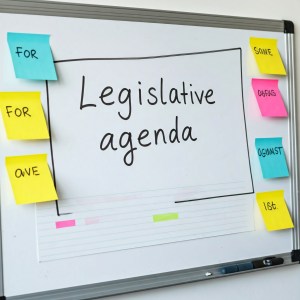
The 2025 Mississippi Legislative is happening, and educational issues are always on the table.

Let’s go back a week or so and look at a school district in Mississippi that distributed a flyer outlining their stance on various legislative matters, sparking a wave of online discussion. While they received some negative comments, there was also online support, proving their voice was heard.

What was on the flyer, you ask? In summary, they were for… Teacher pay raise, revision of the Mississippi Student Funding Formula, and increased emphasis on Career and Technical Education. As a district, they were against… Open enrollment/school choice, educational vouchers for private school tuition, and any decrease in retirement benefits of PERS employees.

As a public school educator, I agree with everything they stated. I’m not writing to debate their points with anyone. However, for what general reason do I agree? While public schools have many advocates, and I’m thankful for every one of them, who better to be an advocate than themselves? Which is what I would like to discuss…

Public schools are not just educational institutions; many are the cornerstones of our communities. They shape the educational experiences of our children, who form the future of our society. While other educational options exist, public schools play a unique and vital role. It’s crucial for them to engage in advocacy to ensure that proposed legislation aligns with the needs and aspirations of the students, educators, and families they serve.

Public schools are uniquely knowledgeable in providing valuable insights into the practical implications of proposed policies by articulating their positions on legislative matters, for they are the ones who know what public school education is and is about. The need for public schools to be part of the proactive engagement of self-advocacy should hopefully help legislators make informed decisions that support effective educational practices and promote student success in our public schools. It would seem that legislators would want to give an ear to those who know education.

School leaders who freely open lines of communication with their thoughts on legislative priorities foster transparency and encourage community involvement. That’s why many communities’ strength lies in the fact that they have a strong public school presence. Self-advocacy not only empowers stakeholders, parents, teachers, and community members to participate actively in the democratic process but also ensures that the community’s collective voice is heard in policy discussions, which should make them an integral part of the process. But, as we all know, you have to be willing to listen. Hearing is one thing; listening is altogether another.

It is also worth noting that many elected state officials have outlined their own legislative priorities for the upcoming session. Is there any difference when our elected officials have their own priorities and agendas? Some are valid and good, while some, I do not believe, represent the best for the overall good of public school education and the teachers. In this context, it is pertinent and reasonable for public schools to advocate for their positions on these and other legislative matters that directly impact their operations and the well-being of the public school institution.

But I need to digress. You might be tired of reading, so I’ll close with this…  

“Courage favors the bold,” and it is not only acceptable but also essential for public schools to advocate for themselves in legislative matters. Such advocacy helps pave the way for what should ensure that educational policies are shaped by those who are most intimately involved in the day-to-day realities of teaching and learning, ultimately leading to a more responsive and effective education system. As I have often stated, when we have non-educators making educational decisions and not listening to those who actually know education, education becomes the victim of __________ (you can fill in the blank).

This action underscores the importance of public schools advocating for themselves within the legislative process. It’s a call to action and to advocate, a reminder of the power and influence public schools have in shaping their future. I’m glad this school district took an educational stand and would hope more districts will also. 

If you are interested in other blog posts relating to educational advocacy, click the links…

Are You, As A Teacher, An Advocate For Our Profession?

If Teachers Are Not An Advocate For Teaching, Then Who Will?

As you step into your role today, remember that you are not just an educator and leader but a shaper of the future. Your actions and decisions profoundly impact the lives of those you guide. Go, be the great educator and leader that our future needs.

Remember… Think Leadership and Be For Others…

©2025 J Clay Norton

Want more Leadership Thoughts? Follow me on… X @thebookchamber or follow the blog directly.

Share this:

  • Tweet
  • Click to email a link to a friend (Opens in new window) Email
  • More
  • Click to print (Opens in new window) Print
  • Share on Tumblr
Like Loading...
Follow The Book Chamber on WordPress.com

Enter your email address to follow this blog and receive notifications of new posts by email.

Follow me on Twitter

My Tweets

Archives

  • December 2025 (2)
  • November 2025 (2)
  • October 2025 (3)
  • September 2025 (2)
  • August 2025 (1)
  • June 2025 (1)
  • May 2025 (4)
  • April 2025 (4)
  • March 2025 (2)
  • February 2025 (4)
  • January 2025 (4)
  • December 2024 (4)
  • November 2024 (4)
  • October 2024 (2)
  • September 2024 (4)
  • August 2024 (4)
  • May 2024 (2)
  • April 2024 (4)
  • March 2024 (3)
  • February 2024 (4)
  • January 2024 (3)
  • December 2023 (4)
  • November 2023 (3)
  • October 2023 (3)
  • September 2023 (4)
  • August 2023 (4)
  • July 2023 (1)
  • May 2023 (3)
  • April 2023 (4)
  • March 2023 (4)
  • February 2023 (4)
  • January 2023 (3)
  • December 2022 (4)
  • November 2022 (3)
  • October 2022 (4)
  • September 2022 (5)
  • August 2022 (3)
  • May 2022 (4)
  • April 2022 (5)
  • March 2022 (3)
  • February 2022 (4)
  • January 2022 (4)
  • December 2021 (3)
  • November 2021 (3)
  • October 2021 (5)
  • September 2021 (4)
  • August 2021 (3)
  • May 2021 (3)
  • April 2021 (5)
  • March 2021 (3)
  • February 2021 (3)
  • January 2021 (4)
  • December 2020 (3)
  • November 2020 (3)
  • October 2020 (5)
  • September 2020 (4)
  • August 2020 (2)
  • June 2020 (1)
  • May 2020 (3)
  • April 2020 (4)
  • March 2020 (1)
  • February 2020 (4)
  • January 2020 (4)
  • December 2019 (3)
  • November 2019 (4)
  • October 2019 (4)
  • September 2019 (4)
  • August 2019 (3)
  • July 2019 (1)
  • June 2019 (1)
  • May 2019 (3)
  • April 2019 (4)
  • March 2019 (4)
  • February 2019 (4)
  • January 2019 (3)
  • December 2018 (3)
  • November 2018 (4)
  • October 2018 (4)
  • September 2018 (4)
  • August 2018 (4)
  • July 2018 (1)
  • June 2018 (1)
  • May 2018 (4)
  • April 2018 (4)
  • March 2018 (4)
  • February 2018 (4)
  • January 2018 (3)
  • December 2017 (4)
  • November 2017 (3)
  • October 2017 (4)
  • September 2017 (5)
  • August 2017 (3)
  • July 2017 (1)
  • June 2017 (4)
  • May 2017 (19)
  • April 2017 (9)

Categories

  • A Christmas Story
  • Accountability
  • Achieve
  • Achievement Gap
  • ACME Math Guys
  • Acquaintance
  • Actions
  • Adaptability
  • Advantage
  • Adventure
  • Adversity
  • Advice
  • Advocate
  • Affection
  • Agenda
  • Align
  • Amazing
  • Amnesia
  • Anchored
  • Andy Griffith
  • Annoying
  • Appreciation
  • Assist
  • Attention
  • Attitude
  • Authentic
  • Balance
  • Banning Books
  • Bitterness
  • Brand
  • Camaraderie
  • Captive
  • Change
  • Character
  • Charlie Brown
  • Choice
  • Christian Worldview
  • Christmas
  • Christmas Vacation
  • Circumstances
  • Clarity
  • Classroom Leadership
  • Classroom Management
  • Clear
  • Comfort Zone
  • Commitment
  • Communication
  • Company
  • Compassion
  • Complacency
  • confidence
  • Conflict
  • Connections
  • Conscience
  • Consistency
  • Contentment
  • Context
  • Conversations
  • Conviction
  • coronavirus
  • Counseling
  • Courage
  • COVID-19
  • covid19
  • Craft
  • Crisis
  • Culture
  • Decay
  • Deciding
  • Decisions
  • Decline
  • Description
  • Desire
  • Detox
  • Dignity
  • Disaster
  • Distance
  • Distance Learning
  • Distractions
  • Dr. Seuss
  • Drift
  • Easter
  • Echo Chamber
  • Education
  • Educational Leadership
  • Effective
  • Embrace
  • Emotion
  • Emotional Temperature
  • Empathy
  • Empower
  • Encouragement
  • Engagement
  • Entertainment
  • Essence
  • Exercise
  • Expectations
  • Experience
  • Expertise
  • Expiration dates
  • Facade
  • Fair and Equitable Education
  • Family
  • Feedback
  • Focus
  • Foundation
  • Freedom
  • Friendship
  • Funding
  • Future
  • Gift
  • Giving
  • God
  • Grace
  • Grading
  • Gratitude
  • Gravitas
  • Grit
  • Growth
  • Heart
  • Heroes
  • History
  • Honest
  • Hope
  • Hope Stealer
  • Humility
  • Idealist
  • Ideals
  • Idioms
  • Illusions
  • Importance
  • Influence
  • Insecurity
  • Inspiration
  • Integrity
  • Intensity
  • Intentional
  • Intentions
  • Intolerance
  • Issues
  • It's a Wonderful Life
  • Jesus
  • Joy
  • Kindness
  • Know Your Why
  • Knowledge
  • Leader
  • Leadership
  • Learning
  • Legacy
  • Legislators
  • Lesson Plans
  • Light
  • Listening
  • Looney Tunes
  • Love
  • Loyalty
  • Mandates
  • Manipulation
  • Mask
  • Math
  • Maturity
  • Meetings
  • Memories
  • Mercy
  • Message
  • Misery
  • Mission
  • Mixed Signals
  • Momentum
  • Motivation
  • Narcissism
  • NERDLE
  • New School Year
  • Obedience
  • Observation
  • Opinions
  • Opportunity
  • Passion
  • Passive-Agressive
  • Patience
  • Peculiar
  • Perception
  • Perceptions
  • Perseverance
  • Pet Peeves
  • Pitfalls
  • Power
  • Preparation
  • Presence
  • Present
  • Pressure
  • Pride
  • Professionalism
  • Promotion
  • Public Schools
  • Purpose
  • Reading
  • Reality
  • Reflection
  • Relationships
  • Remember
  • Resilience
  • Respect
  • Rest
  • Sacrifice
  • School Choice
  • school consolidation
  • School Supplies
  • Sensitive
  • Servant
  • Shadows
  • Sincerity
  • Sinkholes
  • Smile
  • Spring Break
  • Standard
  • Star Wars
  • Students
  • Teacher Appreciation
  • Teacher Shortage
  • Teachers
  • Team
  • Technology
  • Tension
  • Testing
  • Thankful
  • Thanksgiving
  • The Masters
  • Time
  • Tolerance
  • Transactional
  • Transfer Portal
  • Transformational
  • Transitive Power
  • Transparent
  • Tribute
  • Trust
  • Truth
  • Uncategorized
  • Understanding
  • Unity
  • Useful
  • Value
  • Vision
  • Vouchers
  • Whole
  • Wisdom
  • Word
  • WORDLE

Blog Stats

  • 48,773 hits

Blog at WordPress.com.

  • Subscribe Subscribed
    • The Book Chamber
    • Join 182 other subscribers
    • Already have a WordPress.com account? Log in now.
    • The Book Chamber
    • Subscribe Subscribed
    • Sign up
    • Log in
    • Report this content
    • View site in Reader
    • Manage subscriptions
    • Collapse this bar
 

Loading Comments...
 

    %d