Tags
business, Education, Educational Leadership, Leader, Leadership, Learning, Respect, school, Teachers, teaching
With the Winter Olympics this year, I believe I watched more than ever before. I am not entirely sure why, but I got caught up not only in the scoring, but in the timing of events, the degree of difficulty, and the razor-thin margins separating victory from defeat. And the fact that so much of the scoring is subjective made it even more compelling. There were a few times I found myself thinking, “Are you serious?” with some of the scoring. The precision, preparation, pressure, and judgment behind those moments are hard to ignore.
And then there was hockey, a reminder that some victories take generations.
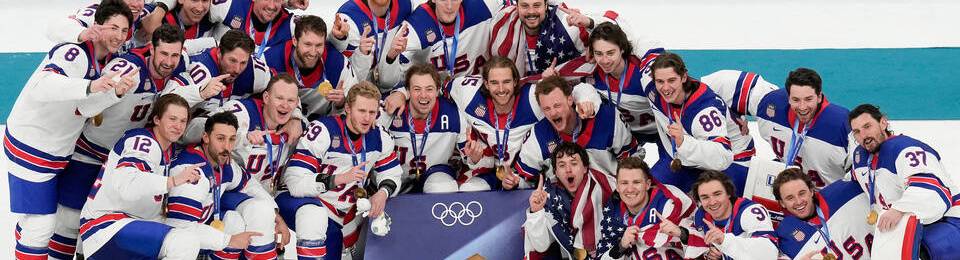
When the U.S. hockey team captured Olympic gold again after 46 years, the victory felt bigger than a game. It was more than a medal ceremony or a moment on the podium. It was a testament to perseverance, culture, and belief sustained across generations. For educational leaders, it offers a powerful reminder of what long-term success truly requires.

Forty-six years is longer than most professional careers. I vaguely remember the 1980 moment; I was seven at the time. Moments like that, however, do not fade. They live on because they represent more than a final score. They represent belief. It spans leadership transitions, philosophical shifts, evolving training methods, and changing expectations. Yet through all of that change, the pursuit of excellence endured. Schools operate in much the same way. Superintendents come and go. Principals move between buildings. Initiatives are introduced, refined, and sometimes replaced. Standards shift. Community needs evolve. Still, the core mission remains unchanged… ensuring every student has the opportunity to grow, achieve, and thrive.
The gold medal reminds us that meaningful outcomes are rarely immediate. In education, we often feel pressure for quick wins, improved test scores within a year, measurable gains by the next evaluation cycle, visible culture shifts by semester’s end. But sustainable excellence is never built on urgency alone. It is built on systems, consistency, and shared commitment. The hockey program did not win because of one inspirational speech or a single standout athlete, although that one motivational speech by Herb Brooks in 1980 certainly deserves honorable mention. If you need a reminder, the locker room speech portrayed in the movie Miracle still gives chills. It won because of decades of investment in development, coaching, infrastructure, and identity.
Educational leadership demands that same long-term vision. Are we building structures that will outlast us? Are we developing teacher leaders who will carry the vision forward? Are we strengthening instructional practices in ways that compound over time? True leadership is less about immediate recognition and more about lasting impact.
There is also a lesson in resilience. Forty-six years without gold undoubtedly included near misses, disappointments, and public scrutiny. Yet the program did not abandon its pursuit. It adjusted, recalibrated, and recommitted. Schools face similar challenges, budget constraints, enrollment fluctuations, achievement gaps, and shifting political landscapes. Effective leaders do not chase every new trend in response to adversity. Instead, they stay anchored to purpose while remaining agile in strategy.
Perhaps most importantly, the victory underscores the power of culture. Championship teams are not simply collections of talent. They are unified by trust, shared standards, and collective accountability. The same is true in schools. Talent matters, but culture multiplies talent. When educators believe in one another, align around a common vision, and hold themselves to high expectations, transformation becomes possible.
The U.S. hockey team’s gold medal after 46 years is a reminder that leadership is generational work. We may not always see the final outcome of the seeds we plant. But if we focus on building strong systems, nurturing talent, sustaining belief, and protecting culture, the breakthrough moment, when it comes, will feel both extraordinary and earned. And when it does, it becomes more than a victory. It becomes a legacy our communities can believe in, something always worth rooting for. Because even if gold is not won, it does not mean that winning is not taking place. In education, growth, resilience, and the commitment to stay in the game are victories in themselves. And in the meantime, we trust the process.
As you step into your role today, remember that you are not just an educator and leader but a shaper of the future. Your actions and decisions profoundly impact the lives of those you guide. Go, be the great educator and leader that our future needs.
Remember… Think Leadership and Be For Others…
©2026 J Clay Norton
Want more Leadership Thoughts? Follow me on… X @thebookchamber or follow the blog directly.
Want to share this leadership thought with others? Click on one of the social media sharing buttons below and help spread the good…
 The Book Chamber