
Tags
advocacy, Advocate, Education, Educational Leadership, Leader, Leadership, Learning, Legislature, news, Public Schools, school, schools, Teachers, teaching
The 2025 Mississippi Legislative is happening, and educational issues are always on the table.
Let’s go back a week or so and look at a school district in Mississippi that distributed a flyer outlining their stance on various legislative matters, sparking a wave of online discussion. While they received some negative comments, there was also online support, proving their voice was heard.
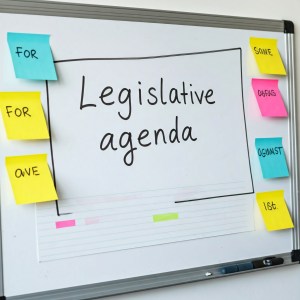
What was on the flyer, you ask? In summary, they were for… Teacher pay raise, revision of the Mississippi Student Funding Formula, and increased emphasis on Career and Technical Education. As a district, they were against… Open enrollment/school choice, educational vouchers for private school tuition, and any decrease in retirement benefits of PERS employees.
As a public school educator, I agree with everything they stated. I’m not writing to debate their points with anyone. However, for what general reason do I agree? While public schools have many advocates, and I’m thankful for every one of them, who better to be an advocate than themselves? Which is what I would like to discuss…
Public schools are not just educational institutions; many are the cornerstones of our communities. They shape the educational experiences of our children, who form the future of our society. While other educational options exist, public schools play a unique and vital role. It’s crucial for them to engage in advocacy to ensure that proposed legislation aligns with the needs and aspirations of the students, educators, and families they serve.
Public schools are uniquely knowledgeable in providing valuable insights into the practical implications of proposed policies by articulating their positions on legislative matters, for they are the ones who know what public school education is and is about. The need for public schools to be part of the proactive engagement of self-advocacy should hopefully help legislators make informed decisions that support effective educational practices and promote student success in our public schools. It would seem that legislators would want to give an ear to those who know education.
School leaders who freely open lines of communication with their thoughts on legislative priorities foster transparency and encourage community involvement. That’s why many communities’ strength lies in the fact that they have a strong public school presence. Self-advocacy not only empowers stakeholders, parents, teachers, and community members to participate actively in the democratic process but also ensures that the community’s collective voice is heard in policy discussions, which should make them an integral part of the process. But, as we all know, you have to be willing to listen. Hearing is one thing; listening is altogether another.
It is also worth noting that many elected state officials have outlined their own legislative priorities for the upcoming session. Is there any difference when our elected officials have their own priorities and agendas? Some are valid and good, while some, I do not believe, represent the best for the overall good of public school education and the teachers. In this context, it is pertinent and reasonable for public schools to advocate for their positions on these and other legislative matters that directly impact their operations and the well-being of the public school institution.
But I need to digress. You might be tired of reading, so I’ll close with this…
“Courage favors the bold,” and it is not only acceptable but also essential for public schools to advocate for themselves in legislative matters. Such advocacy helps pave the way for what should ensure that educational policies are shaped by those who are most intimately involved in the day-to-day realities of teaching and learning, ultimately leading to a more responsive and effective education system. As I have often stated, when we have non-educators making educational decisions and not listening to those who actually know education, education becomes the victim of __________ (you can fill in the blank).
This action underscores the importance of public schools advocating for themselves within the legislative process. It’s a call to action and to advocate, a reminder of the power and influence public schools have in shaping their future. I’m glad this school district took an educational stand and would hope more districts will also.
If you are interested in other blog posts relating to educational advocacy, click the links…
Are You, As A Teacher, An Advocate For Our Profession?
If Teachers Are Not An Advocate For Teaching, Then Who Will?
As you step into your role today, remember that you are not just an educator and leader but a shaper of the future. Your actions and decisions profoundly impact the lives of those you guide. Go, be the great educator and leader that our future needs.
Remember… Think Leadership and Be For Others…
©2025 J Clay Norton
Want more Leadership Thoughts? Follow me on… X @thebookchamber or follow the blog directly.



 The Book Chamber